
MALOCH Hiding Spots: Where to Hide and Escape Chases
Find MALOCH hiding spots, recognize lockers and bench spaces, and learn how noise, doors, and crouching affect your escape through the office building.
Jump to
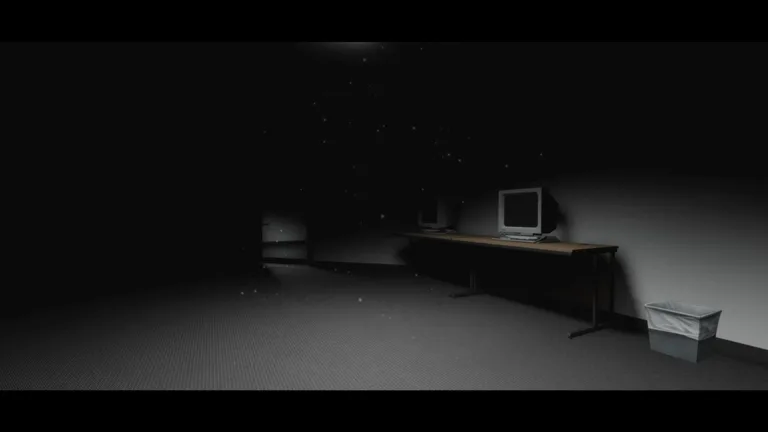
Where to Find MALOCH Hiding Spots
MALOCH hiding spots are easy to overlook when a chainsaw is coming down the hallway. Look for lockers and small benches without computers, and stop assuming every desk provides cover. Finding MALOCH hiding spots early gives you somewhere to aim for when an ordinary search turns into a chase.
The office setting makes that distinction especially important. You are trapped inside a workplace during a snowstorm, surrounded by furniture that looks useful when you are desperate. But fitting beneath something and successfully hiding there are different things. An ordinary desk can leave you exposed, even when crouching underneath it feels like the obvious move.
Use these furniture distinctions while exploring:
| Office feature | What to look for | How to approach it |
|---|---|---|
| Lockers | Recognizable locker units rather than filing cabinets | Remember their position before moving farther into the office |
| Small benches without computers | Bench spaces without a computer occupying the surface | Inspect these while you have time to recognize their layout |
| Ordinary desks and tables | Furniture you can duck beneath | Avoid assuming that crouching underneath will hide you |
| Filing cabinets | Cabinets you search during exploration | Keep them separate from the lockers you are looking for as cover |
The crucial habit is recognizing shelter before you need it. Pause your search long enough to connect a hiding place with the doorway or hallway that leads back to it. Give yourself a destination instead of relying on a desperate scan while being pursued.
When checking MALOCH hiding spots, pay attention to the approach as much as the furniture. Picture the door you would use, the corner you would turn, and the exposed stretch between you and cover. Choose your movement around what you can actually recognize.
Avoid judging a hiding place solely by how enclosed it looks. The enemy can spot you beneath furniture, so crouching under the nearest surface should not become your automatic response to danger.
Official page: MALOCH (roblox.com)
Use the Noise Meter Before the Enemy Closes In
MALOCH’s threat listens as well as looks. Noise management belongs in your hiding plan because reaching cover is only part of the problem; attracting attention while searching creates another.
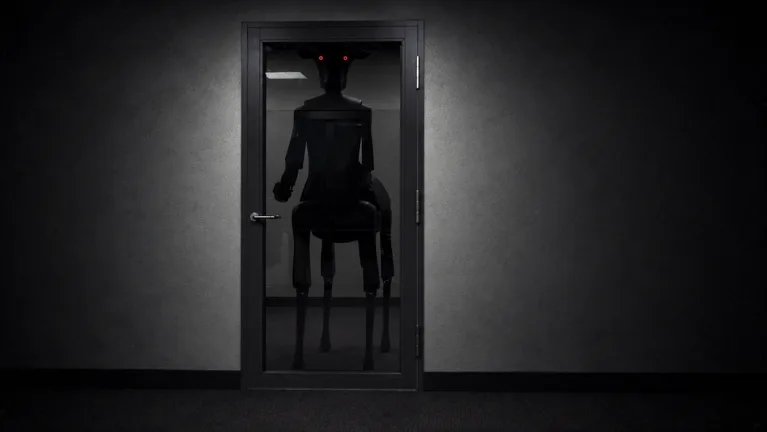 Image: Roblox / scary robot game
Watch the noise meter while moving through the office. Crouching makes less noise than walking, jumping produces noise, and voice chat contributes to the sound you make. Door interactions also deserve attention when you are trying to stay quiet.
| Action | Noise consideration | Practical adjustment |
|---|---|---|
| Crouching | Produces less noise than walking | Crouch when the enemy is nearby and you are still searching |
| Walking | Louder than crouching | Watch the meter instead of assuming walking is silent |
| Jumping | Produces noise | Skip unnecessary jumps while moving between rooms |
| Opening doors | Can make noise the enemy hears | Open doors with a destination in mind |
| Using voice chat | Adds to your noise | Keep voice chat quiet when trying to avoid detection |
Do not let the hunt for MALOCH hiding spots turn into a noisy room-clearing spree. If you are opening doors, jumping around furniture, and talking at the same time, simplify what you are doing. Crouch, listen, and check the space deliberately.
Treat the meter as feedback for your current actions. Watch how your movement affects it rather than trying to memorize an invented safe threshold. The useful question is whether you can make the next part of your search quieter.
Account for your flashlight, too. Light can give away your position, so think about where you point it while looking for shelter. Keep your attention on visibility as well as sound.
Once the enemy sees you, shift your attention to the chase. Quiet movement is useful during exploration, but continuing to inspect furniture while a chainsaw closes the distance leaves you without a clear escape decision.
Plan Your Route Around Doors and Hallways
Doors create a difficult tradeoff: you need to open them to explore, but opening them makes noise. They also feature heavily in escapes, where shutting a door can help interrupt pursuit.
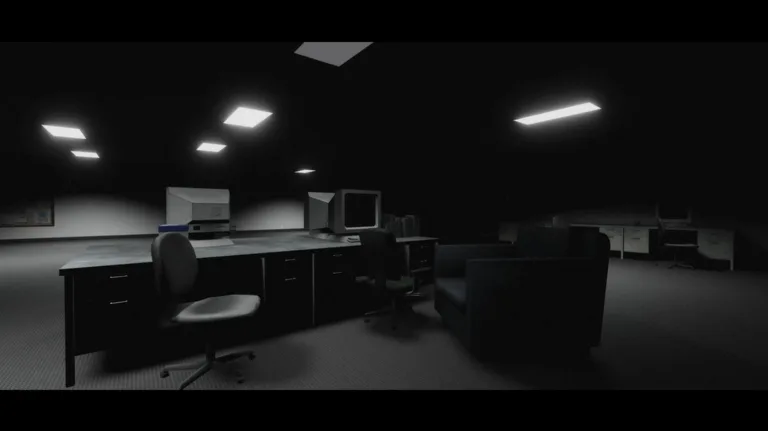 Image: Roblox / scary robot game
That does not make a closed door permanent protection. The enemy can break doors, so use them as part of your movement through the office rather than a reason to stop thinking about your route.
| Door situation | What matters | What to do |
|---|---|---|
| Entering an unexplored room | Opening the door creates noise | Check the room deliberately instead of opening everything at once |
| Planning an escape route | An unfamiliar doorway adds another decision | Learn where the route leads before depending on it |
| Being pursued through a doorway | Closing the door can help interrupt pursuit | Close it when possible, then continue toward your intended destination |
| Encountering a broken door | The barrier has been destroyed | Reassess that route instead of expecting the doorway to protect you |
Before searching a room, look back at its entrance. Identify how you would leave and which familiar space lies beyond it. This brief check makes the room easier to navigate when you have less time to think.
Keep MALOCH hiding spots connected to routes you understand. A locker you remember clearly is more useful to your planning than a vague impression that there was shelter somewhere down a corridor. Use recognizable furniture and doorways as mental landmarks.
Avoid opening every door just to create options. That produces noise while leaving you with more rooms to remember. Explore deliberately enough that each newly opened room adds something useful to your understanding of the office.
Long hallways deserve particular care. The enemy moves quickly during pursuit, and a straight corridor gives you few immediate decisions beyond continuing forward or reaching a doorway. Before committing to one, identify where you intend to turn.
If a door helps you gain breathing room, spend that opportunity moving toward recognizable cover. Resist stopping directly behind it to check whether the danger has disappeared.
Handle a Chase Without Searching Blindly
The worst moment to learn what a hiding place looks like is when the enemy is already chasing you. A rushed glance can turn a filing cabinet into a supposed locker or an ordinary desk into imaginary shelter.
 Image: Roblox / scary robot game
Prepare your response around recognition. Once pursuit begins, aim for somewhere you already identified instead of inspecting every piece of office furniture along the way.
Use this sequence as a practical chase plan:
- Choose a destination you recognize. Head toward a known doorway, route, or hiding place.
- Use doors along that route. Close one behind you when the opportunity presents itself.
- Keep moving after closing it. Remember that the enemy can break doors.
- Reassess when you have breathing room. Look, listen, and decide your next move before resuming your search.
Closing a door can help you lose the enemy, but do not assume every door closure ends a chase. Continue paying attention to what is happening around you. Silence after a frantic escape is a reason to assess your surroundings carefully, not to immediately start making noise again.
Avoid drifting through unfamiliar rooms just because they contain more furniture. Each new room asks you to identify its exits and distinguish cover from ordinary objects. During pursuit, those decisions compete with watching the enemy.
Remember that MALOCH hiding spots are destinations to learn, not guarantees you can substitute for route planning. Getting beneath a desk while the enemy can still see you leaves the central problem unresolved.
Skip unnecessary jumping during an escape. Jumping makes noise, and hopping through the office also adds another action to manage while choosing doors and turns. Concentrate on reaching the destination you picked.
After surviving a chase, take a moment to reorient yourself. Identify the room you reached and the route you used. Turn the escape into useful knowledge for your next search.
Build a Quieter Office Search Routine
You still need to explore. Staying focused on hiding alone does not help you search the office or work toward finding a way out.
Use a repeatable routine that connects searching, noise awareness, and retreat. Before interacting with filing cabinets, check nearby furniture and remember the entrance. When you move into another room, repeat that check instead of assuming the next space offers the same options.
| Search stage | Check before continuing |
|---|---|
| Approaching a room | Notice the doorway and listen for nearby danger |
| Entering | Identify lockers, computer-free benches, and ordinary furniture |
| Searching cabinets | Keep the entrance and a familiar return route in mind |
| Hearing the enemy nearby | Reduce unnecessary noise and reassess your movement |
| Returning after a chase | Check whether doors along your route have been broken |
Keep filing cabinets and hiding places mentally separate. Cabinets matter to your search, but confusing them with lockers wastes attention when you need to recognize cover quickly. Inspect furniture while the pressure is low enough to tell the difference.
Use a short checklist as you explore:
- Locate recognizable cover before concentrating on cabinets.
- Remember the entrance and the route back.
- Watch the noise meter while moving.
- Avoid unnecessary jumps and voice chat.
- Recheck routes containing broken doors.
For solo runs, take extra care with orientation. You are managing the search, the noise meter, and the escape route yourself. Slow down enough during exploration to make those jobs easier when the enemy arrives.
Focus practice on recognizing MALOCH hiding spots rather than racing through more rooms. Learn the visual difference between a locker, a cabinet, a bare bench, and an ordinary workstation. Then connect those objects to the doorways around them.
MALOCH is in active development, and its developer warns that bugs are present. Keep reading the in-game instructions and checking the office around you when you return. Build your decisions around recognizable furniture, current surroundings, and the enemy’s position.
FAQ
Where should I look for MALOCH hiding spots?
Look for lockers and small benches without computers. Learn their positions during exploration so you have a destination ready during a chase. Avoid assuming every desk or table offers effective concealment just because you can crouch beneath it.
Does crouching make you quieter?
Yes. Crouching produces less noise than walking. Use it when the enemy is nearby, watch the noise meter, and avoid adding unnecessary sound through jumping or voice chat.
Can the enemy break doors?
Yes. Closing a door can help interrupt pursuit, but the enemy can break doors. Keep moving toward your intended destination after shutting one, and check broken doorways before relying on the same route again.
Are filing cabinets the same as hiding lockers?
No. Filing cabinets are objects you search during exploration, while lockers are among the hiding places to recognize. Learn the difference before a chase so you do not spend your escape trying to identify the furniture.
Continue with
 MALOCH Noise Meter: How to Stay Quiet and Stay AliveLearn how the MALOCH noise meter works, which actions make sound, and how crouching, careful door use, and hiding can help you survive the office building.
More in Survival
See all SurvivalPopular pages

MALOCH Beginner Guide: Survive Your First Office Run
Use this MALOCH beginner guide to manage noise, find hiding spots, track fuses and key cards, and navigate the office floors toward your escape on Roblox.

MALOCH Active Development: Bugs, Updates & Play Tips
MALOCH active development means bugs are part of the experience. Learn what to expect, manage noise, find hiding spots, and plan your escape on Roblox.

MALOCH Badges Guide: Welcome and You Escaped Explained
Explore MALOCH badges, compare Welcome and You Escaped award counts, and learn practical stealth tips to prepare for an escape from the office on Roblox.

MALOCH Accepting Friend Requests: How to Play Together
MALOCH accepting friend requests is handled through Roblox. Learn how to accept requests on desktop and mobile, fix pending invites, and plan the next run.
Join the community
Official channels for news, updates and player help: